We've sent you an email with a link to update your password.
Reset your password
We will send you an email to reset your password.
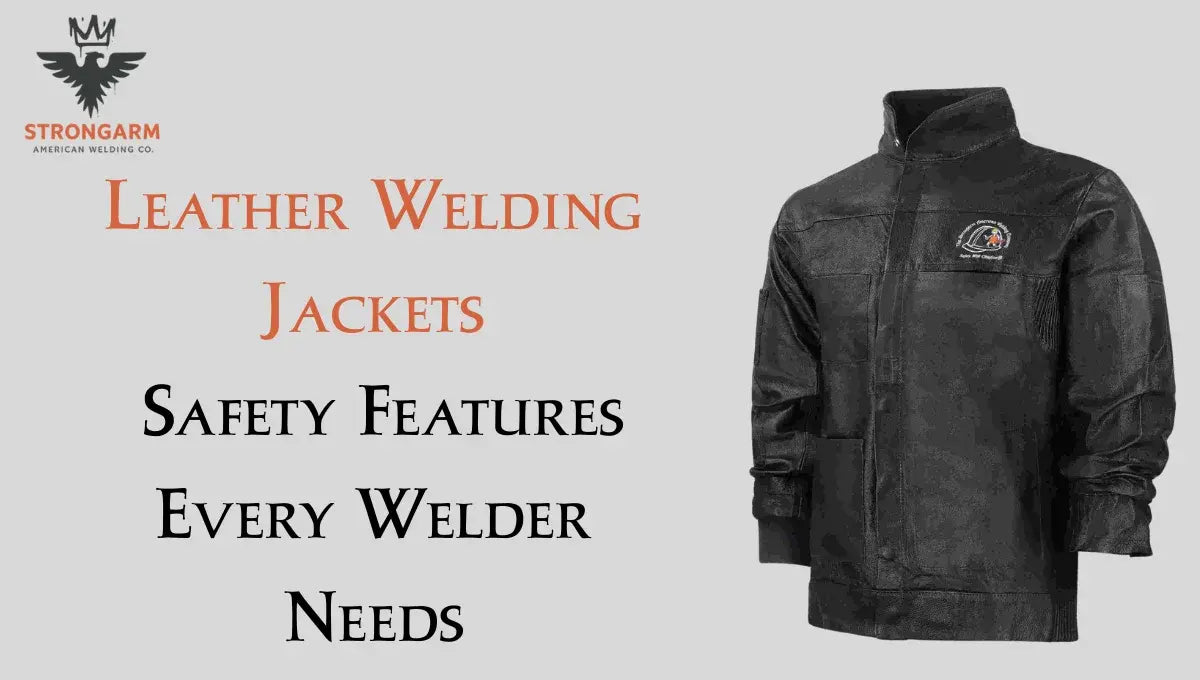
Leather Welding Jackets: Safety Features Every Welder Needs
Tech Team
0 comments
When it comes to protecting yourself on the job, leather welding jackets are essential gear that no welder should compromise on. At Strong Arm Welding, we specialize in crafting durable, high-performance jackets that combine safety, comfort, and long-term reliability. Designed with expert knowledge of welding environments, our jackets help minimize the risks associated with sparks, heat, and metal debris.
In this guide, we’ll cover the key safety features every leather welding jacket should have, what sets top-quality jackets apart, and how to choose the right jacket for your work. Additionally, we’ll address related products like safety gloves and fire resistant welding jackets to ensure complete hand and body protection.
Why Leather Welding Jackets Are Crucial for Safety
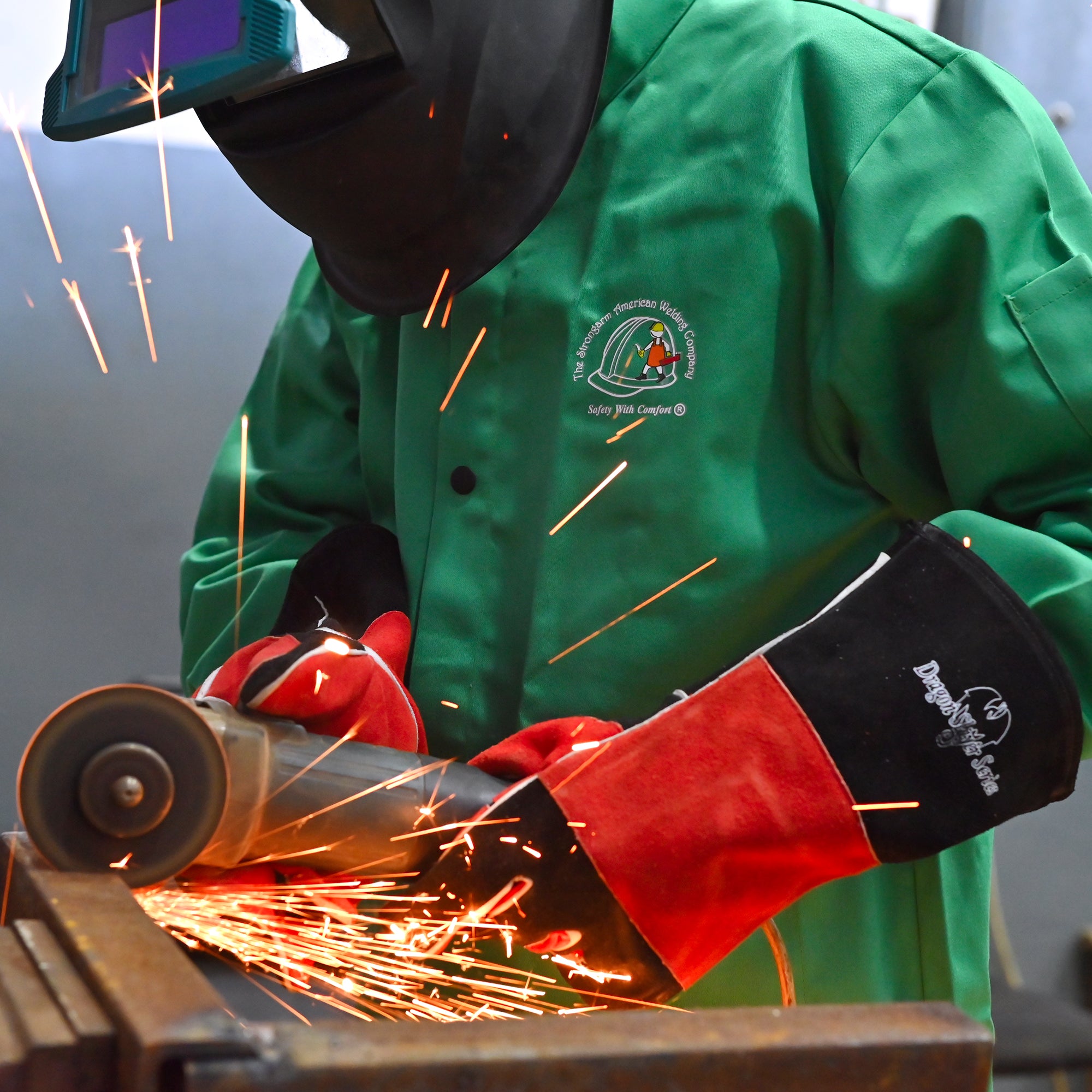
Leather welding jackets are more than a style choice—they are a critical layer of protection. Unlike fabric jackets, leather resists flames, sparks, and molten metal. Properly designed leather jackets also reduce the risk of burns and injuries during welding or cutting tasks.
Welders rely on these jackets to:
·Shield arms, chest, and torso from sparks and heat
·Improve durability compared to cotton or synthetic options
·Provide flexibility for long work sessions
·Complement other safety gear, such as safety gloves and helmets
At Strong Arm Welding, every jacket is crafted with high-quality materials and reinforced stitching, ensuring that our customers get reliable protection they can trust on every project.
Key Safety Features Every Leather Welding Jacket Should Include
1. Heat and Spark Resistance
The primary function of a welding jacket is to resist high temperatures and flying sparks. Genuine cowhide or split leather performs exceptionally well in absorbing heat, reducing the chance of burns.
2. Flame-Resistant Materials
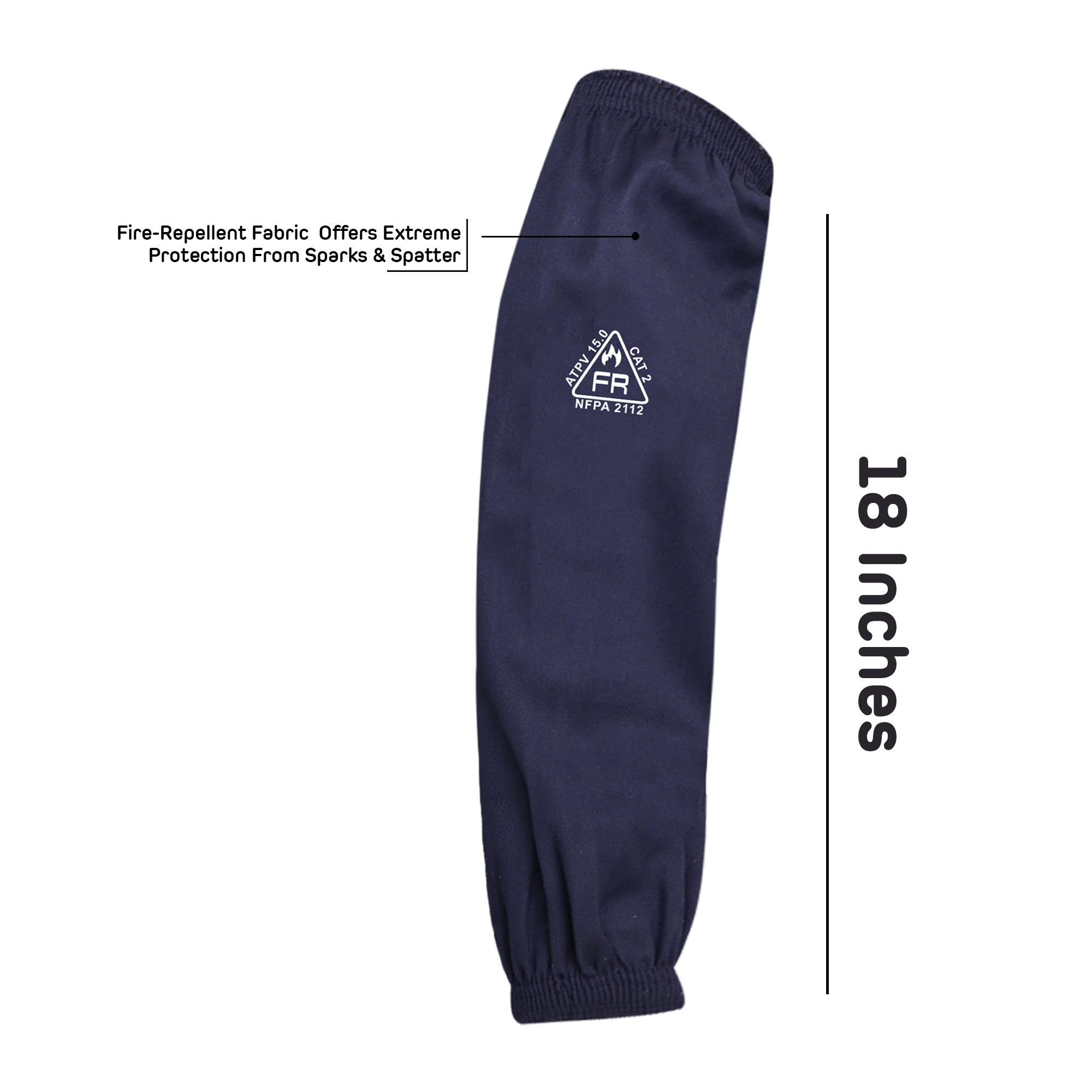
For additional protection, some jackets include fire resistant welding jacket treatments. These chemical treatments help prevent ignition and limit the spread of flames, giving welders extra time to react in case of accidents.
3. Reinforced Stitching
Weak seams can compromise safety. Jackets with triple-stitched or reinforced seams hold up under extreme conditions and repeated stress, keeping the leather intact even in demanding environments.
4. Full Coverage Design
The best jackets cover:
·Chest
·Back
·Arms
·Shoulders
Many also include snap closures, adjustable cuffs, and high collars to protect exposed areas without limiting movement.
5. Comfort and Mobility
Even the most protective jacket is useless if it restricts movement. Modern leather welding jackets include:
·Soft inner linings
·Ergonomic designs
·Stretch panels for flexibility
This ensures welders can maintain control and precision without compromising safety.
Comparing Leather Jackets with Other Protective Gear
Leather welding jackets outperform many alternative materials, making them a top choice for welders. Genuine leather offers excellent heat resistance, protecting you from sparks and hot metal during welding or cutting tasks. While cotton or fabric jackets provide moderate protection, they cannot match leather’s durability or ability to withstand daily wear and tear.
Complementary Gear: Safety Gloves and Accessories
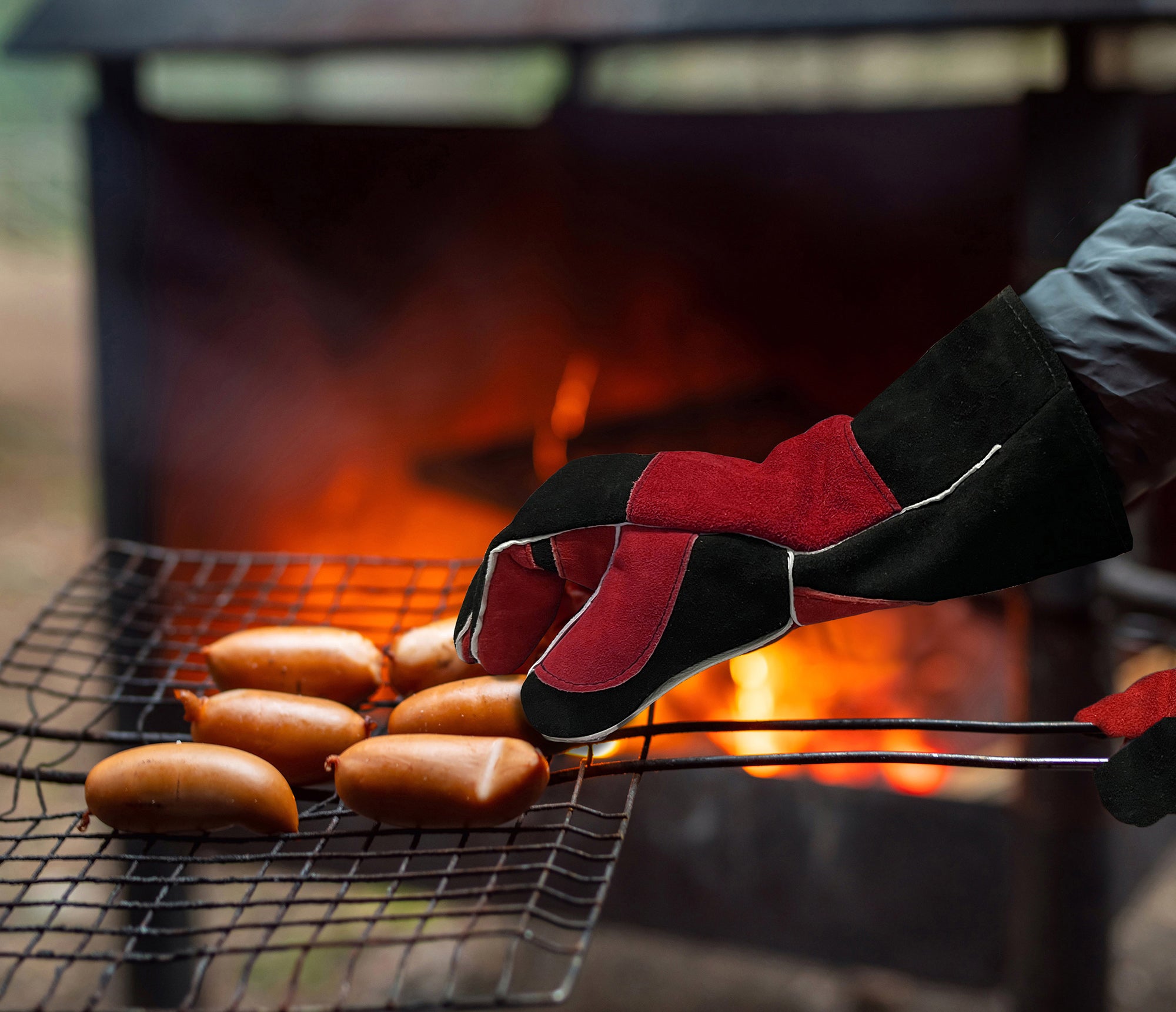
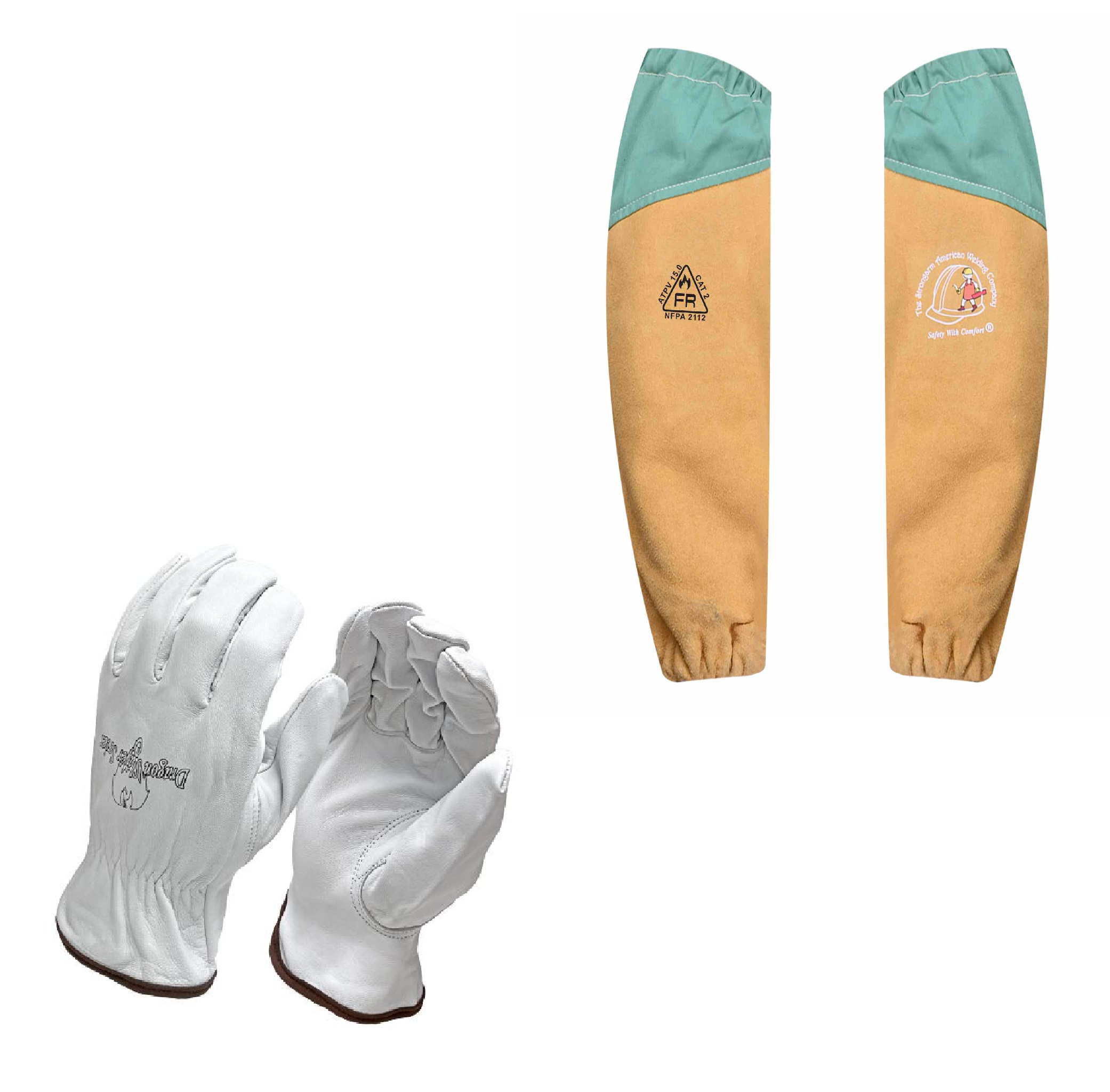
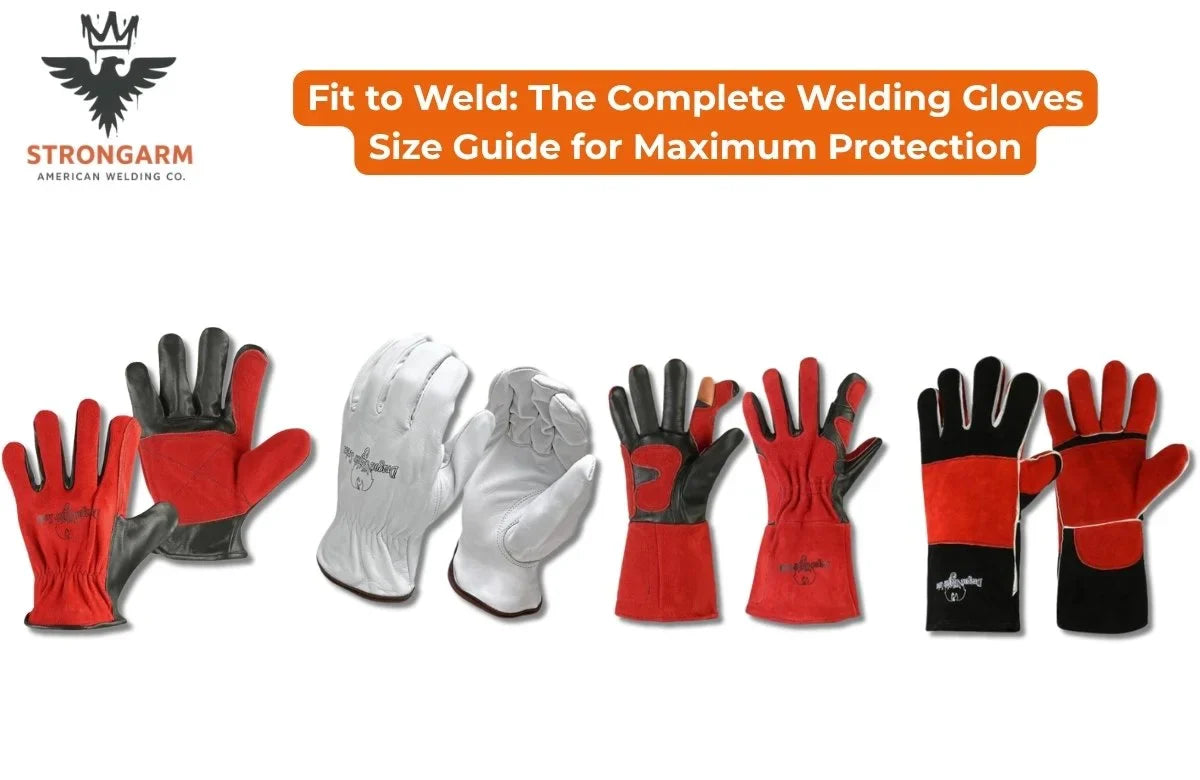
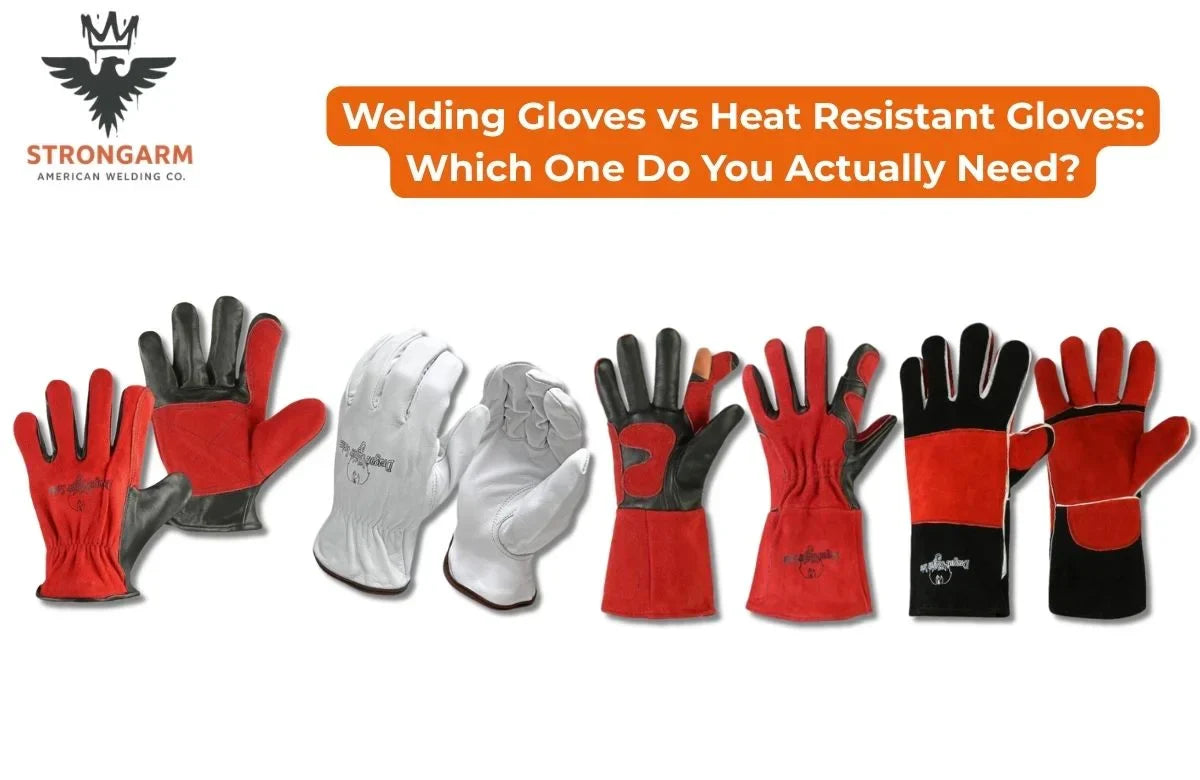
To achieve full protection, leather jackets should be paired with high-quality safety gloves. These gloves:
·Resist heat and sparks
·Provide strong grip
·Reduce hand fatigue
Pairing gloves and jackets ensures that both your hands and body remain protected, giving you confidence to focus on your work.
Additionally, for maximum coverage during intense welding, consider a leather welding apron. Strong Arm Welding’s apron provides an extra barrier against sparks and molten metal.
Selecting the right material depends on your welding tasks, the intensity of exposure to sparks, and personal comfort preferences.
How to Choose the Right Leather Welding Jacket
Step 1: Identify Your Job Requirements
Consider:
·Type of welding (MIG, TIG, stick)
·Exposure to sparks and heat
·Need for mobility and dexterity
Step 2: Size and Fit
Ensure a snug but flexible fit. Adjustable cuffs and waist straps allow for better coverage and comfort.
Step 3: Check Reinforced Areas
Look for jackets with reinforced elbows, shoulders, and seams to ensure long-term durability.
Step 4: Evaluate Additional Features
·Snap or zip closures
·High collars
·Ventilation panels
·Inner pockets for small tools
Step 5: Consider Complementary Gear
Pair with safety gloves, helmets, and fire resistant welding jackets to ensure complete protection.
Frequently Asked Questions (FAQs)
Q1: Are leather welding jackets flame-resistant? Yes. Genuine leather naturally resists flames and sparks, and many jackets include additional fire-resistant treatments for maximum protection.
Q2: Can leather welding jackets be used for all types of welding? Leather jackets are suitable for MIG, TIG, and stick welding, as long as the jacket is full coverage and paired with other safety gear.
Q3: How should I maintain a leather welding jacket? Wipe off sparks and dust after each use. Use leather conditioner periodically to maintain flexibility and durability.
Q4: Do leather jackets limit mobility? High-quality jackets are designed for ergonomic movement, allowing welders to maintain precision without sacrificing protection.
Q5: How do leather jackets compare to fire resistant welding jackets? Leather offers natural durability and heat resistance, while fire-resistant jackets may have chemical treatments for enhanced flame protection. Combining both provides superior safety.
Customer Testimonials
⭐⭐⭐⭐⭐ “Strong Arm Welding jackets are durable and comfortable. I feel safer during long welding sessions.” — Jason M., Professional Welder
⭐⭐⭐⭐⭐ “The reinforced stitching and thick leather make this jacket last. I’ve used it daily for over a year.” — Rachel T., Fabrication Specialist
⭐⭐⭐⭐⭐ “Pairing this jacket with their gloves and apron gives me complete coverage. Highly recommend.” — Mark H., Shop Owner
Why Welders Trust Strong Arm Welding
Our Commitment
·Experience: Decades of producing reliable welding gear
·Expertise: Designed for real welding environments, not theory
·Authoritativeness: Trusted by professional welders nationwide
·Trustworthiness: Transparent materials, quality assurance, and customer support
We don’t just sell jackets—we provide solutions that help welders stay safe and productive.
Final Thoughts: Protect Yourself with the Right Leather Welding Jacket
Welding exposes you to heat, sparks, and metal debris every day. Choosing a leather welding jacket with reinforced stitching, heat-resistant materials, and ergonomic design is not just a safety choice it’s an investment in longevity, comfort, and peace of mind.
Pair your jacket with safety gloves and other protective gear for full coverage, and trust Strong Arm Welding to supply equipment built for real-world performance.
About the Author
Strong Arm Welding Team
This content is written by Strong Arm Welding’s team of welding safety specialists, professionals with hands-on experience in industrial protective gear. Our goal is to provide welders with factual, actionable guidance to make informed decisions about protective clothing.